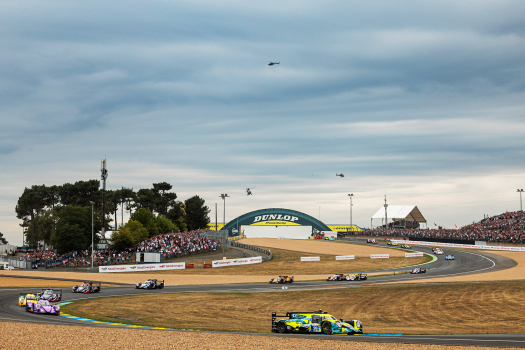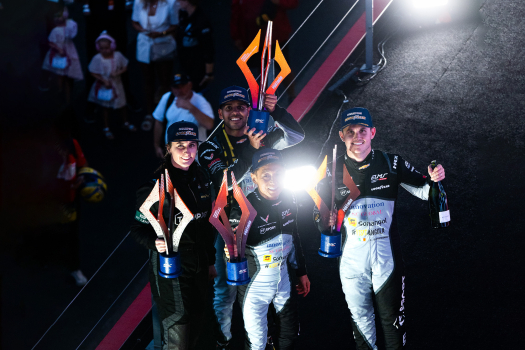
Jonny Adam has long been associated with that all British manufacturer Aston Martin winning national and international titles in both GTE and GT3.
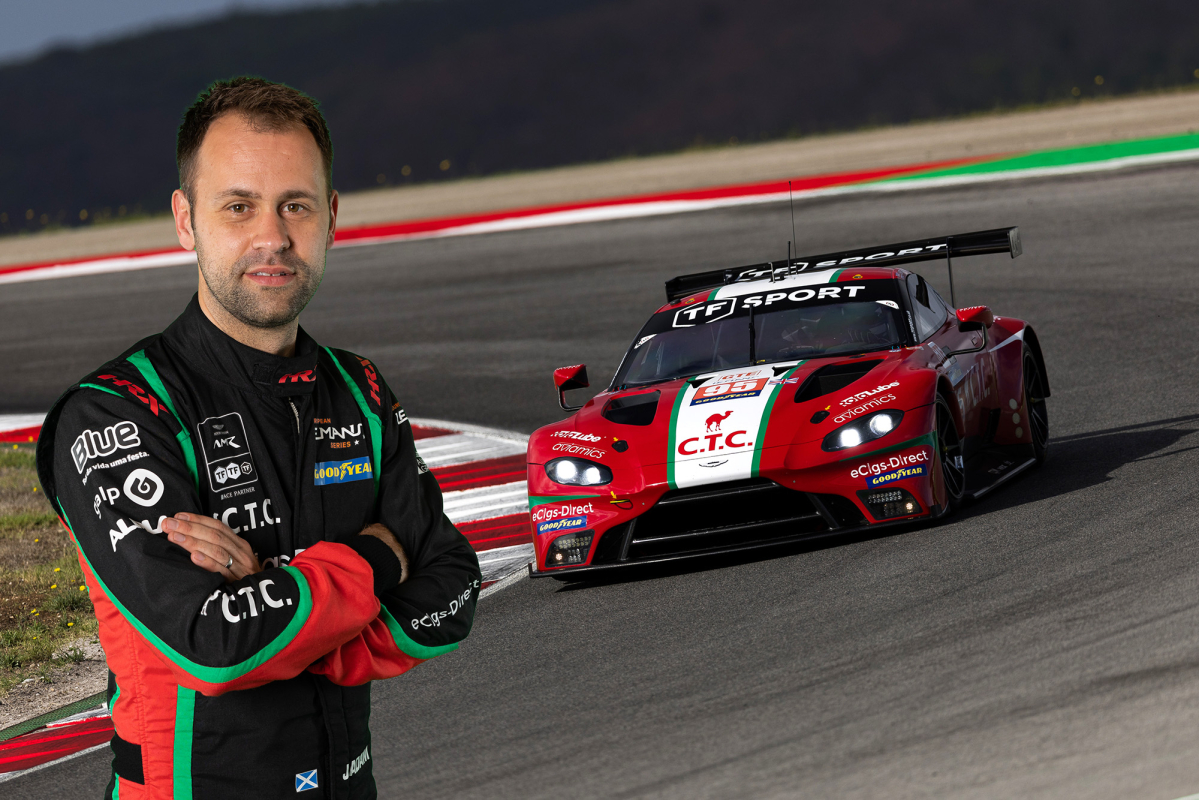
The Scot won the LMGTE Pro/Am category with Aston Martin in 2017 alongside Darren Turner and Daniel Serra in a last lap battle to take the chequered flag.Adam then won the LMGTE Am category in 2020 with his current ELMS team TF Sport alongside Salih Yoluç and Charlie Eastwood.
In addition to his wins at Le Mans, Jonny Adam has won the British GT Championship title four times (2015, 2016, 2018 and 2019) in an Aston Martin Vantage GT3 and the 2017 Blancpain GT Series Endurance Cup (Pro/Am) in an GT3 spec Vantage run by Oman Racing Team with TF Sport.
This makes Jonny Adam the perfect driver for talking about the end of the LMGTE era and the start of the LMGT3 next season from the perspective of racing an Aston Martin.
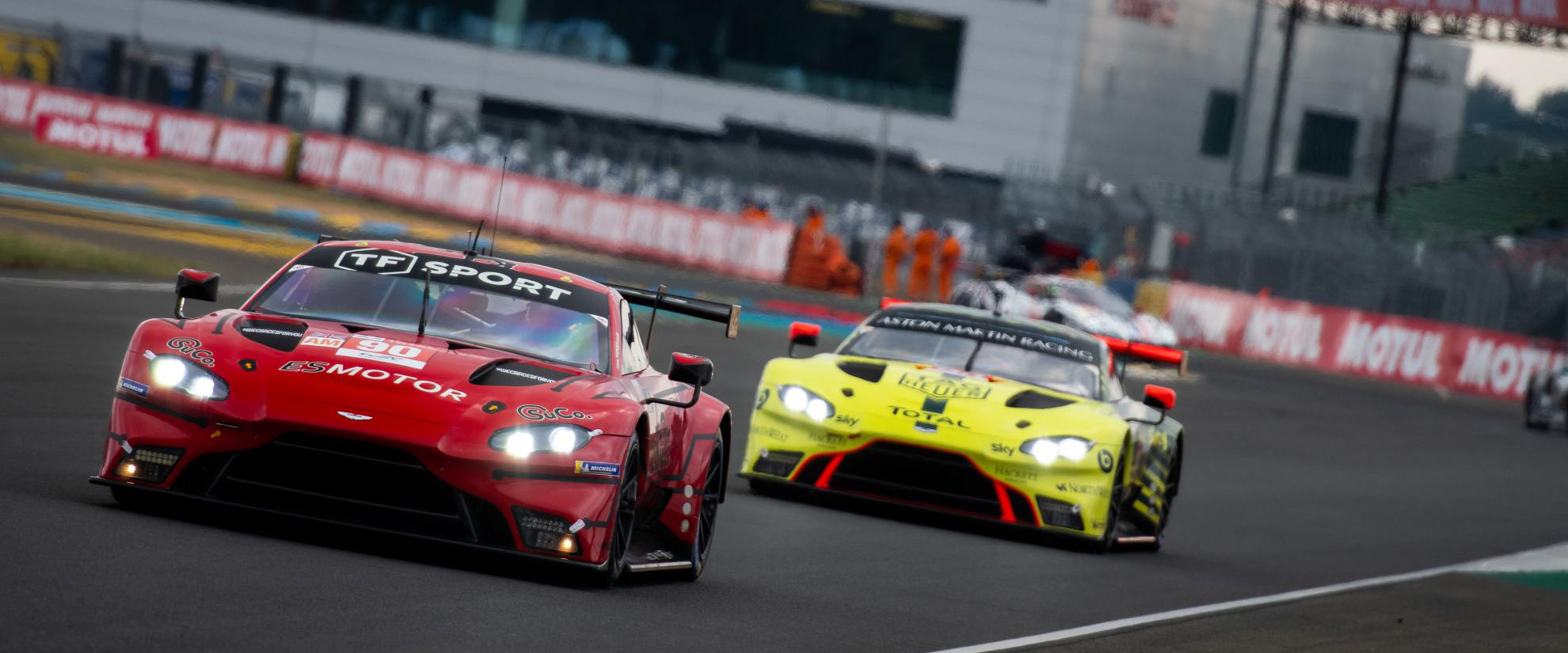
So, what are Jonny Adam’s thoughts on the GTE era coming to an end?
“It’s a sad time, really,” he said. “It's been great to see the manufacturers that have been involved. The highlight for me was probably in the Pro class scene with so many manufacturers, 20 or 21 cars in 2019 at Le Mans. It's still a special platform, you know, to have no ABS. high downforce. Yes, the cars have evolved over the years. I know from the Aston Martin side, how different the car is now, to how we ran the older GTE car in 2014 to 2016/17.
“It's a shame it's gone, it's still a strong class, you can see the numbers both in WEC and ELMS this year, and the quality with the teams and drivers. However, things do move on and the GT3 platform will entice a lot more of manufacturers to come.”
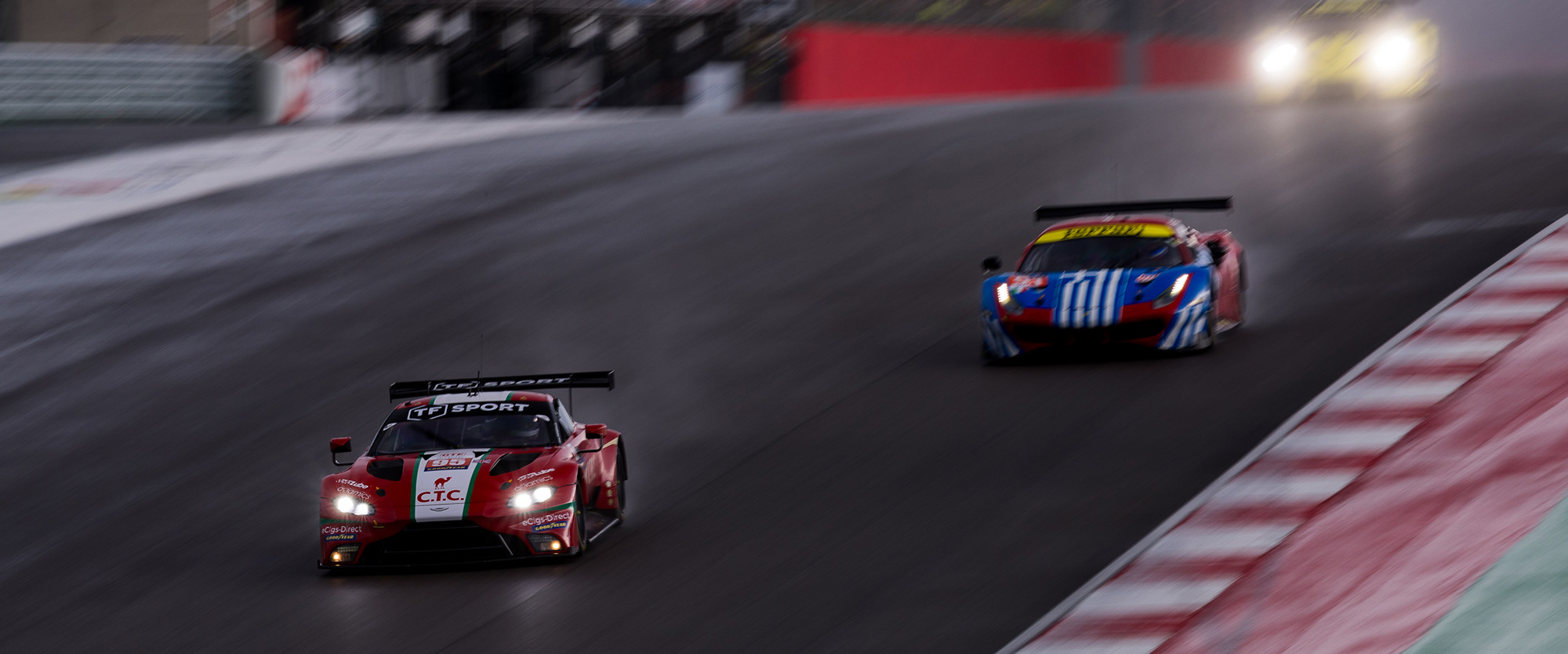
So is it fair to sum up the difference between a GTE and GT3 is to say a GT3 car is basically a road car made to go racing and a GTE is a thorough bred race car?
“Even on the engine side, as a driver, or even as a customer, you feel the difference in the engine, from the GTE to the GT3 platform.
“A lot of that is down to engine performance for GTE, it’s very much a honed race engine, where GT3 is very much using a lot more common parts from the roadside, and normally the kilometre distance you can go a bit longer with GT3 on the life of the engines. I think a lot of manufacturers Ferrari and Aston, for example, the cars can be convertible. The 488 was and so is the current Aston.
“GT3 has evolved as well over the last two to three years, a lot more downforce and everyone's holding their package to be customer friendly, but also faster on the track as well.
“It's a shame because if you go to Le Mans and you drive a GTE car in qualifying on a confidential tyre, it’s pretty special. The grip’s high; there's a certain way to drive the car. It's been nice to have been on that journey and seen the evolution of the class over the years with Aston Martin."
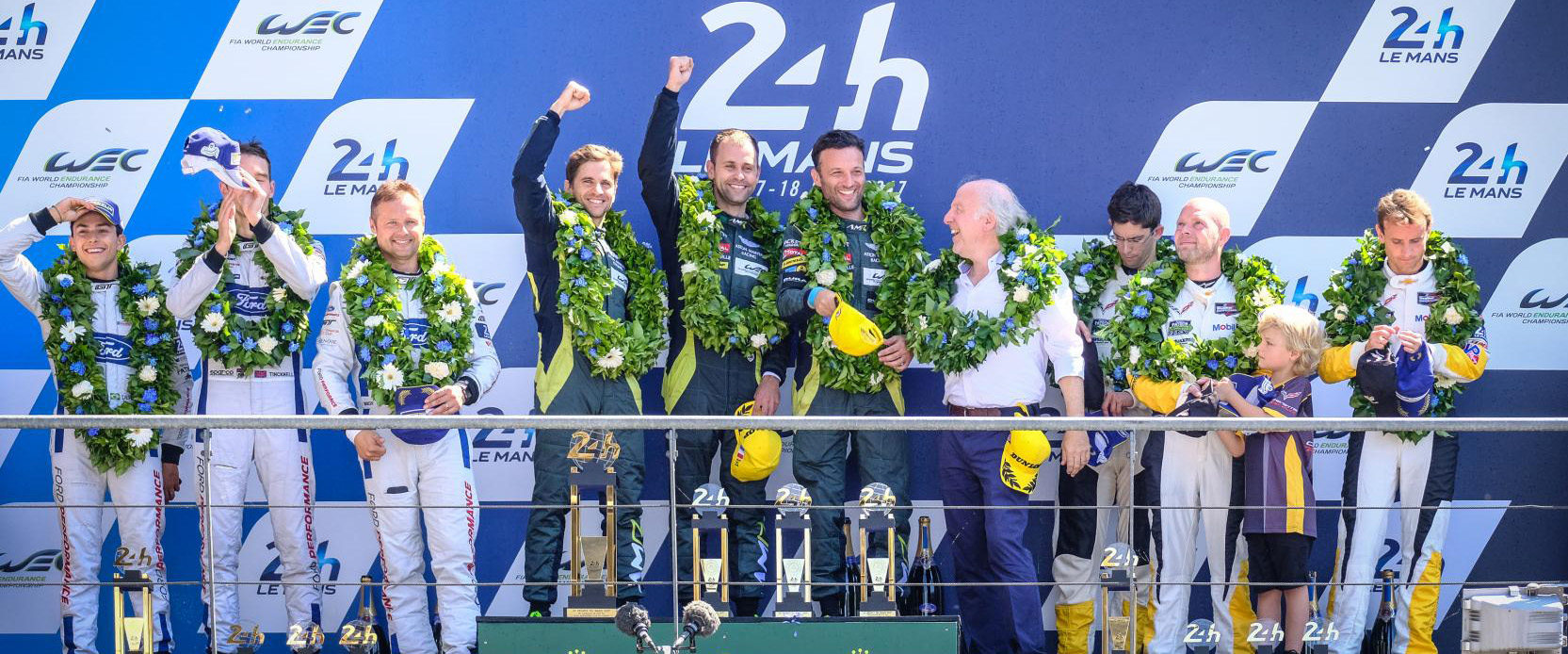
How special is it to win Le Mans in a GTE car?
“Le Mans is very special, and especially in the Pro class as it is always hotly contested, it was always really hard to win. You had your three stable manufacturers for the whole course of the year Porsche, Ferrari and Aston, but then you had Corvette join with a strong package and then obviously, as I mentioned before, Ford and BMW. It was a special class back then the Pro class, it was factory drivers, factory teams, strong budgets, and a lot of development went behind on the scenes.
“In 2017 Dunlop brought to the table a completely new tyre for that Le Mans 24 Hour. We worked hard with them over the two-year period that we worked with Dunlop to try and be slightly different and try and have a sole development partner within Dunlop, and it paid off.
“Then we went to quite a different package with downforce with the new gen Aston and then we chose Michelin. It took a few years to really get the tyre and the chassis to work. But then 2020 was probably one of the most successful Le Mans races for Aston. Not only did they win the Pro class, we managed to win in the TF Sport car with Salih Yoluç and Charlie Eastwood. So that was really special and then they went on to win another World Championship. So as a platform, I think the Aston in general has been really good. It's been strong. It's been very customer friendly. So yes, it's definitely been a great period in GTE.”
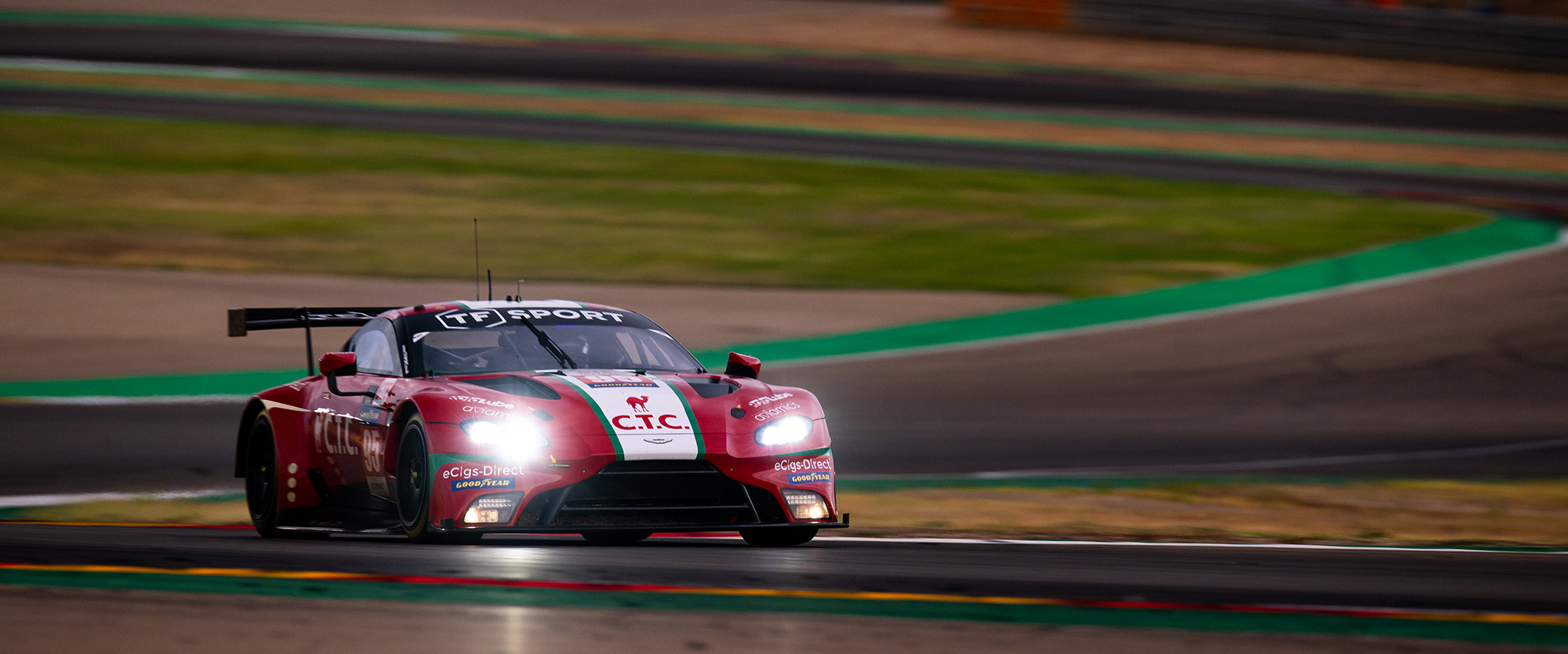
So what are the main differences between GT3 and GTE?
“The big platform differences are ABS, for example, definitely in GT3. I would say GT3 is definitely developed a lot heavier, you can see it in the lap times and how close certain circuits are. There's not a huge difference between even a Michelin Le Mans Cup GT3 platform and GTE. It's definitely moved on.
“From a driving aspect, it's still a car, it's still got downforce, it's still effectively the same, but the ABS work, there's a lot that goes into GT3.
“So, it'll be quite different, but it's a platform globally now. You could take a GT3 car, potentially go and do ACO racing, Le Mans, but also still use it in other championships across the world. So, I think it's an investment for a lot of teams and there's more manufacturers from them to choose from. I think it will entice a lot of new customers to come and do more ACO racing. Everyone has one eye on the Le Mans. It's just unfortunate that it's not a big enough size grid for cater for everyone, but it will entice some cool manufacturers to come along who will support the teams to do it.”
The final race for the LMGTE category will take place this weekend at the 8 Hours of Bahrain, round 7 of the 2023 FIA World Endurance Championship. CLICK HERE for more details.